A man struggling to sleep. A prisoner experiencing a mental health crisis. People who might never engage with traditional interventions.
Over the past year, The Prison Phoenix Trust has been working with Change Grow Live (CGL) to deliver yoga and meditation sessions through the ReNew programme in four South West prisons: HMP Bristol, HMP Channings Wood, HMP Guys Marsh and HMP Portland.
The programme supports people on the Integrated Offender Management (IOM) pathway, many of whom face significant challenges including substance misuse, poor mental health and repeated involvement with the criminal justice system.
What we are seeing is encouraging.
Impact at a glance
Four prisons participating across the South West
Delivered by The Prison Phoenix Trust in partnership with Change Grow Live
Programme extended until March 2027 following positive early results
Participants reporting improvements in calm, sleep, wellbeing and emotional regulation
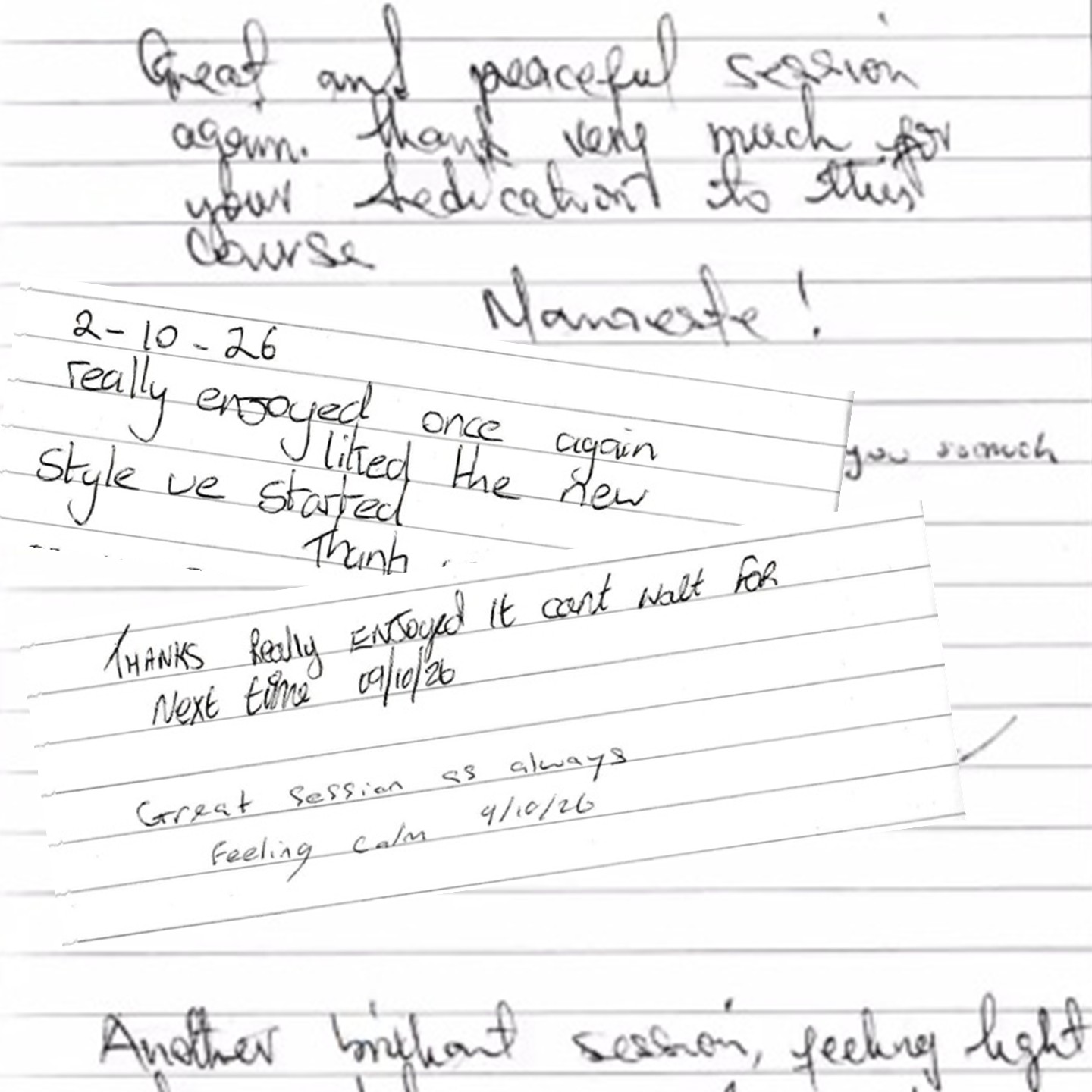
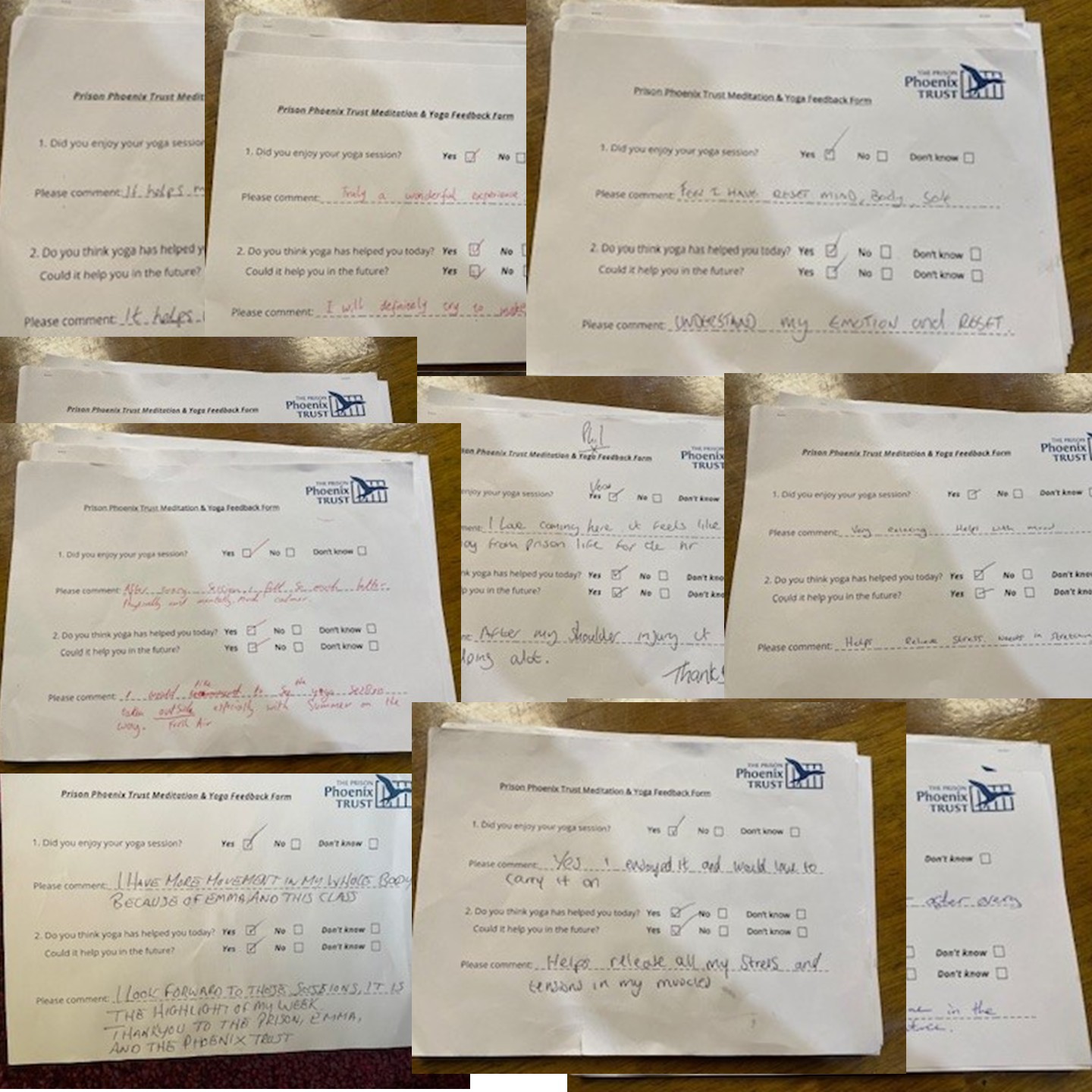
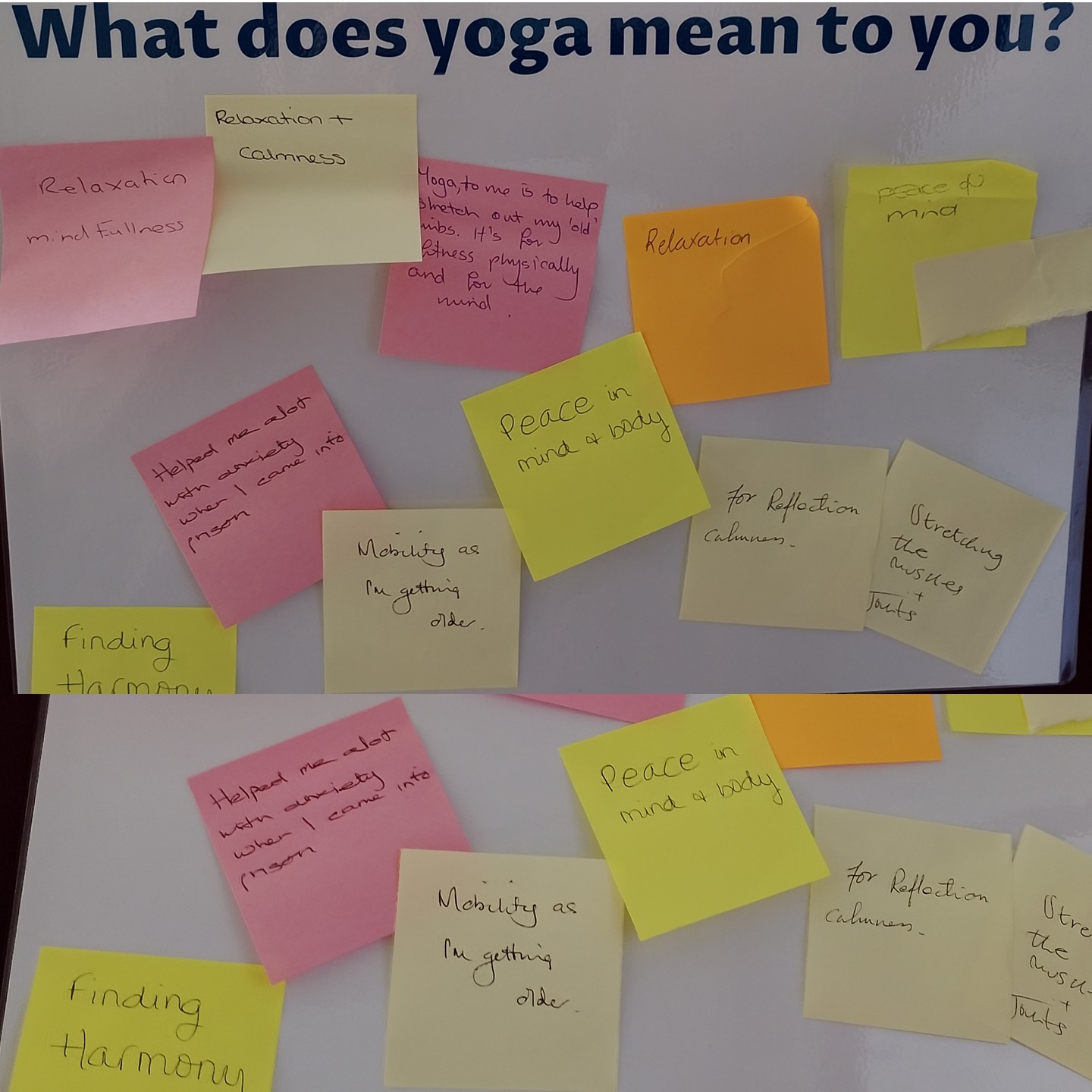
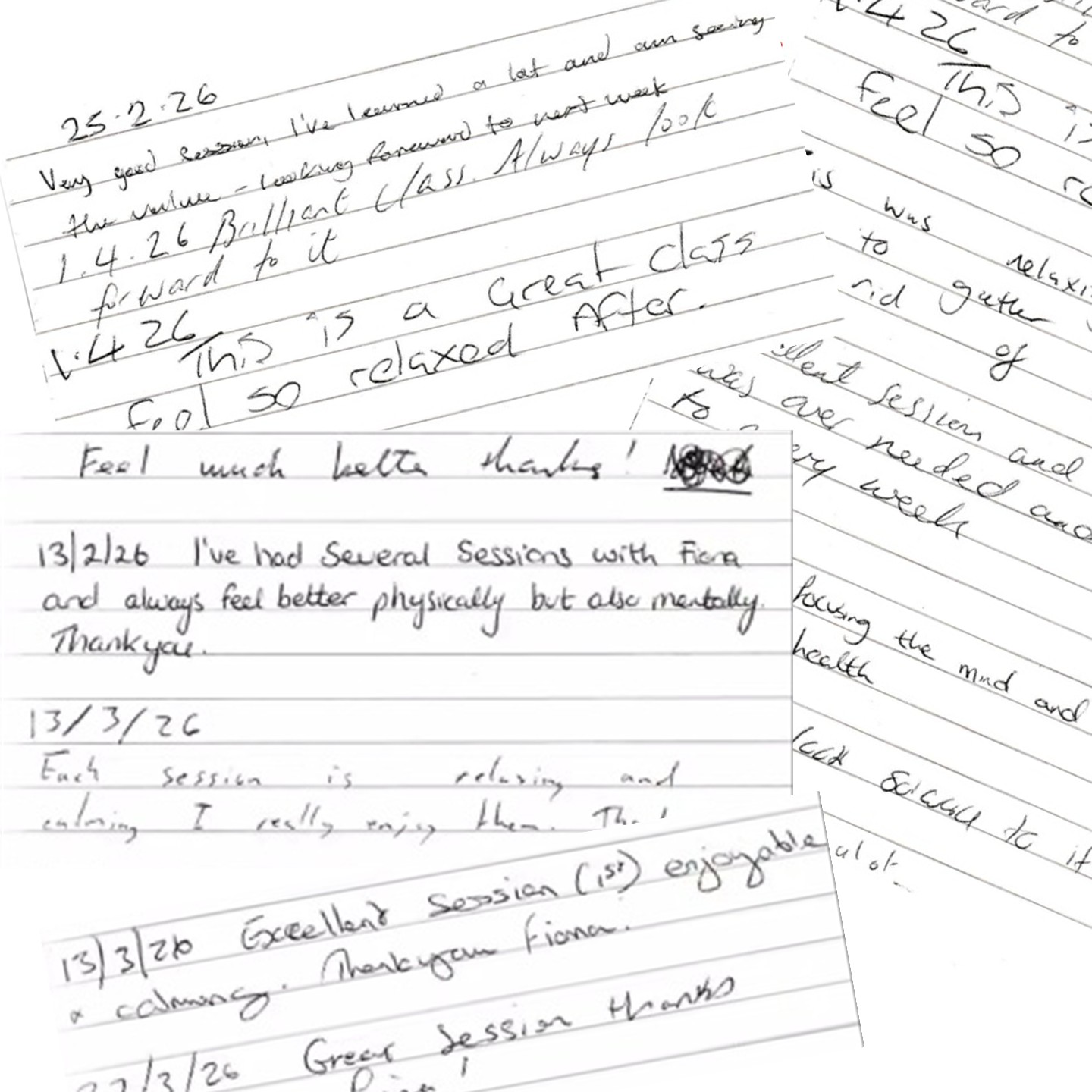
In yoga classes taking place in prisons every week we ask prison students to tell us at the end of their practice how yoga is affecting them. Here – in their own words – is a selection of their comments from some of of the 60+ prison classes supported by The Prison Phoenix Trust in 2026.
HMP Belmarsh
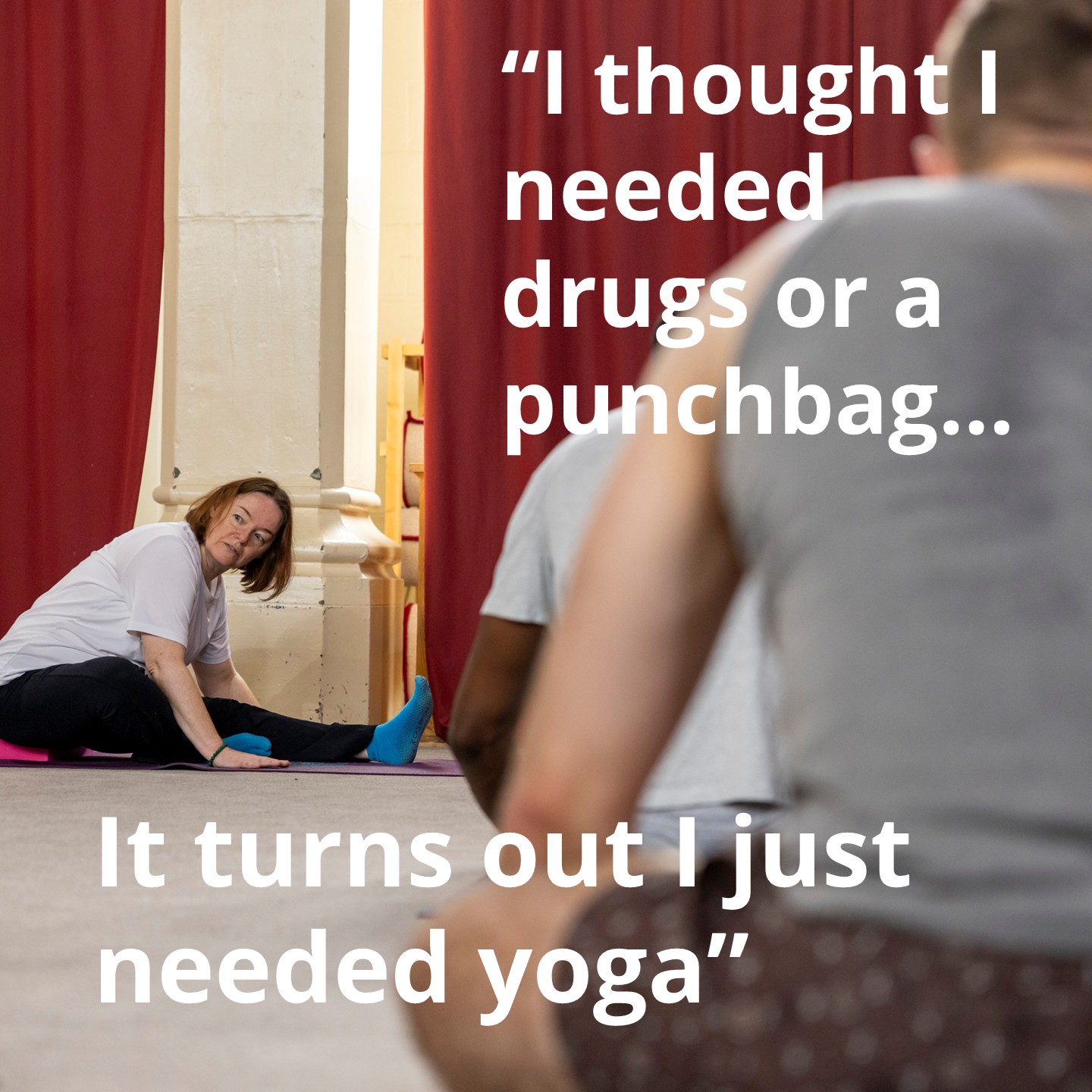
At a yoga taster workshop for young offenders in amongst people queuing for dinner on the wing, all 12 participants stayed focused, despite a scuffle breaking out nearby! A nervous young man thanked us at the end, saying, “Before this I thought I needed drugs or a punchbag, but it turns out I just needed yoga”.
HMP Stafford
There are many words of thanks after classes with men noticing that they’re “feeling calm”, “feeling light and grounded”, having “a clear mind”. Prison officers also note changes in the men, including a reduction in drug and alcohol use for those that take part.
HMP Oakwood
Asked to give feedback after a taster workshop, comments included: “Truly wonderful experience”; Feel I have reset mind, body and soul”; “It feels like I’m away from prison for an hour”. Staff report less anxiety and more engagement in rehabiliation.
HMP Send
At a wellbeing day in September women told us why they’d like regular classes: “To calm my mind and body. I really want to learn to meditate”; “Because I really need to be more flexible and also help me with my mental health”; “To feel stronger and balanced”. One said: “Yoga gave me a second life after spinal surgery”.
HMP Dovegate
Yoga classes were run for staff and prisoners at HMP Dovegate until July. Comments included: “This was relaxing and it allowed me to gather my thoughts and get rid of anger”; “Brilliant for focusing the mind and body, great for mental health”; “I always feel better physically, but also mentally”.
Join The Prison Phoenix Trust as we build our award-winning team supporting people in prison through meditation and yoga.
To help support escalating numbers of people in prison, we are seeking 2 new staff to join our small head office team in Oxford at an exciting time in the run up to our 40th anniversary in 2028. For all roles, apply by sending your CV and covering letter detailing your suitability for the role to: recruitment@theppt.org.uk
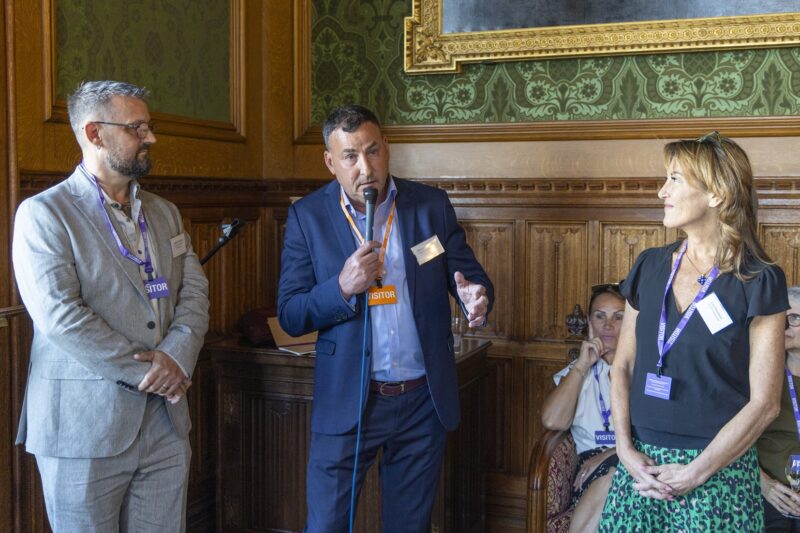
Over the summer The PPT brought together policymakers, prison leaders, practitioners and people with lived experience at the House of Lords for ‘Prisons: A Time of Change’, hosted by Baroness Jan Royall.
As The Prison Phoenix Trust looks ahead to its 40th anniversary in 2028, the event explored change on multiple levels: changing policy, changing prison conditions, and perhaps most importantly, the possibility of profound personal change.
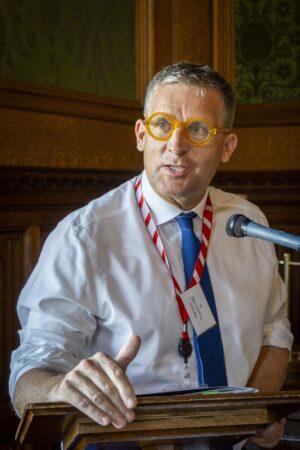
Then prisons minister Lord James Timpson recognised the impact of The PPT’s work:
“When you turn up, like you do, and show kindness to people in prison, it makes a big difference.”
He also praised The PPT’s letter-writing service, noting the importance of handwritten letters in reminding people in prison that someone cares, and welcomed our pilot project delivering yoga and meditation sessions digitally to people in their cells: “I think the digital side you are developing is going to make a real difference.”
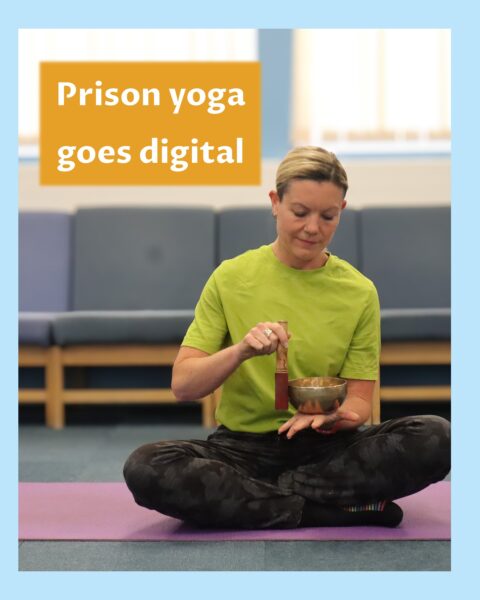
In 2025 The PPT created a 12-week yoga course, Freedom Inside with Yoga, for people to follow in their cells in HMP Erlestoke on prison service laptops, known as Launchpads.
Part of a 2-year research project, this is a collaboration with colleagues in His Majesty’s Prison and Probation Service and Royal Holloway University of London.
It aims to contribute to an evidence base that will help the wider criminal justice sector understand how digital learning and enrichment projects can be cost-effective in supporting rehabilitative interventions in prison.
An important aspect of the pilot was the involvement of users of the course in its co-creation, with content designed to meet specific needs they raised. Learnings from this will influence the next stage, which is an expansion of the project to another 3-5 prisons in England and Wales.
Technologically, most prisons still resemble the 1950s more than the 21st century, but since 2021 more than 16,000 Launchpads have been introduced into 20 prisons.
“I’ve I really got into the yoga. I do it every day, I pull my mat out in the mornings, put the new session on and away I go. I’d like to say a very, very big thank you. It’s very much appreciated.” Nick
Responses to the pilot were very positive with more than 50% of the prisoners in HMP Erlestoke taking part. Prison staff are also being asked if they’ve noticed any changes in people taking part in yoga.
One staff member wrote that a man in recovery from addiction had a goal to stay sober ‘til lunchtime:
“I just wanted to let you know that he came into my office this morning and was glowing. He stated he loved yesterday; he had the best night’s sleep ever and fell asleep at 6pm and slept all night. He also did not use at all yesterday 😊. I am giving him a mat and he is going to try your videos in his cell now.”
Thanks to support from funders, the Sir Halley Stewart Trust, this research project will continue into 2027.
“This was an amazing project that has over-delivered in its result from a starting point of 0 prisoners to half the prison population doing some yoga.” Digital Manager, HMP Erlestoke
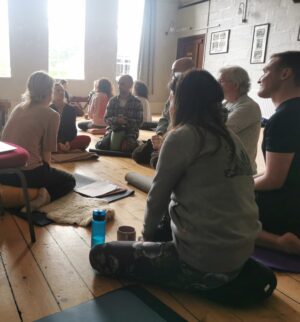
We are proud to welcome our 2026 Prison Yoga Teacher cohort — twenty‑two dedicated yoga teachers who have begun their specialist training to deliver trauma‑informed yoga and meditation inside prisons across the UK and Ireland.
This year’s group was selected from more than 60 applicants. Each trainee brings a powerful combination of compassion, teaching experience, and a commitment to making yoga accessible to people who are often excluded from wellbeing spaces. Many also bring lived experience of the care system or childhood adversity, giving them a deep understanding of the challenges faced by people in prison.
What the 2026 cohort will learn
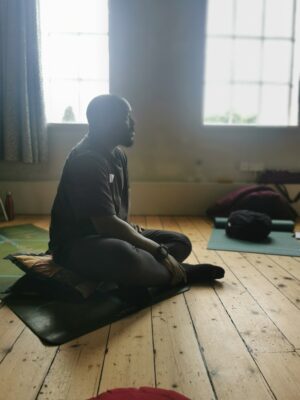
Over the next six months, trainees will take part in an intensive programme designed to prepare them to teach safely and effectively in secure environments. Their training includes:
trauma‑informed yoga and meditation
supporting emotional regulation and nervous‑system health
adapting practices for people with complex needs
understanding the realities of prison life for both residents and staff
creating calmer, more supportive environments inside
This pathway is more than a training course. It includes mentoring, community support, and real‑life teaching experience. Those who complete the full programme — including teaching a class inside a prison — will earn British Wheel of Yoga accreditation as Prison Yoga Teachers.
Help Someone in Prison Take Their First Breath Toward Change
When Jasper first woke up in a prison cell, he felt like a “broken human.” The weight of what he had done – and the harm he had caused – felt unbearable. He describes those early days as being “wrapped in cling film”: tight, suffocating, and impossible to escape.
In the middle of that pressure, Jasper found something unexpected: a yoga mat.
“Yoga gave me three inches of air around myself.” – Jasper
For Jasper, yoga wasn’t just exercise. It was the first moment of stillness he had felt in years. A place where his nervous system could settle. A space where he could breathe again.
He says: “I was claiming back a little bit of personal space and creating three inches of air around myself. It gave me armour. My anxiety would go; that fight-or-flight tension just dissipated. It gave me the breathing room to carry me through the week.”
Week by week, Jasper rebuilt himself from the inside out. He learned to sit with difficult emotions, to reflect without fear, and to imagine a future beyond the walls around him.
A pioneering project in south‑west England is using yoga and meditation to support people with long histories of offending—and early signs suggest it’s making a real difference.
Repeat offending is a major challenge for the criminal justice system. Adults with 11 or more previous offences make up around 39% of all adult offenders, yet they account for 78% of total adult reoffences. Helping this group to change course could significantly reduce crime and ease pressure on overcrowded prisons.
But so‑called prolific offenders are among the hardest people to reach. Many live with the long-term effects of unresolved trauma, neurodiversity, and adverse childhood experiences. Breaking entrenched cycles of behaviour requires more than punishment—it requires trust, stability, and new tools for coping.
A holistic approach to resettlement
Health and social care charity Change Grow Live has been commissioned by the probation service to explore new ways of helping people caught in cycles of offending to break that cycle. They are combining practical resettlement support with holistic wellbeing interventions. Their aim is to build trust, resilience, and hope—qualities that are often in short supply for people who have spent years moving in and out of the criminal justice system.
One of the most promising strands of this work is a yoga and meditation programme delivered in four prisons across the region.
Yoga in prison: a new starting point
For the past six months, specialist teachers from The Prison Phoenix Trust (The PPT) have been running weekly sessions in:
HMP Bristol
HMP Portland
HMP Guys Marsh
HMP Channings Wood
The sessions offer a calm, structured space where people can begin to take responsibility for their own mental and physical wellbeing. Simple breathing techniques, gentle movement and meditation help participants develop emotional regulation, focus, and a sense of agency.
The PPT approach is deliberately flexible. In some prisons, teachers work one‑to‑one with individuals who need tailored support. In others, group classes help build a sense of community and mutual encouragement. Participants also receive illustrated sheets of simple exercises they can practise in their cells.
Early signs of change
Teachers report encouraging levels of engagement. One instructor at HMP Channings Wood described a session of chair yoga:
“From being quite unsettled to start, the men were able to focus on their breathing, sit still and meditate—almost surprising themselves that they’re able to do that.”
Participants themselves echo this shift:
HMP Channings Wood: “Was stressed at first, now relaxed. Very good, my head feels clear.”
HMP Guys Marsh: “Was not expecting today, but 100% committed and look forward to coming back next week. I feel good—relaxed and calm.”
HMP Bristol: “I’m open to yoga, which is helping my mental health and movement.”
Building trust beyond the mat
The impact goes beyond the sessions themselves. By showing up consistently and without judgement, The PPT teachers are building trust—something many participants have rarely experienced in institutional settings.
This trust opens the door to deeper conversations about life after release: fears about finding work and housing, reconnecting with family, and navigating the challenges of resettlement. Yoga becomes the starting point for wider support.
As The PPT’s CEO Selina Sasse explains:
“When people are at rock bottom, yoga and meditation can give them a starting point. It helps people begin to focus, to feel part of something, and to commit to something positive. Just getting people to engage can be a real breakthrough.”
Change Grow Live’s Jenny Sherwood agrees:
“The Prison Phoenix Trust have been true partners in this project—reliable, consistent, and willing to go the extra mile. This cohort faces many challenges and often struggles to make prison work for them. The PPT teachers have played a valuable role in building trust by meeting men where they’re at, listening without judgement, and offering simple, practical ways to build resilience and confidence—vital for recovery and resettlement.”
Give It 10: Free Yoga & Meditation Pack for Better Mental Health in Prison
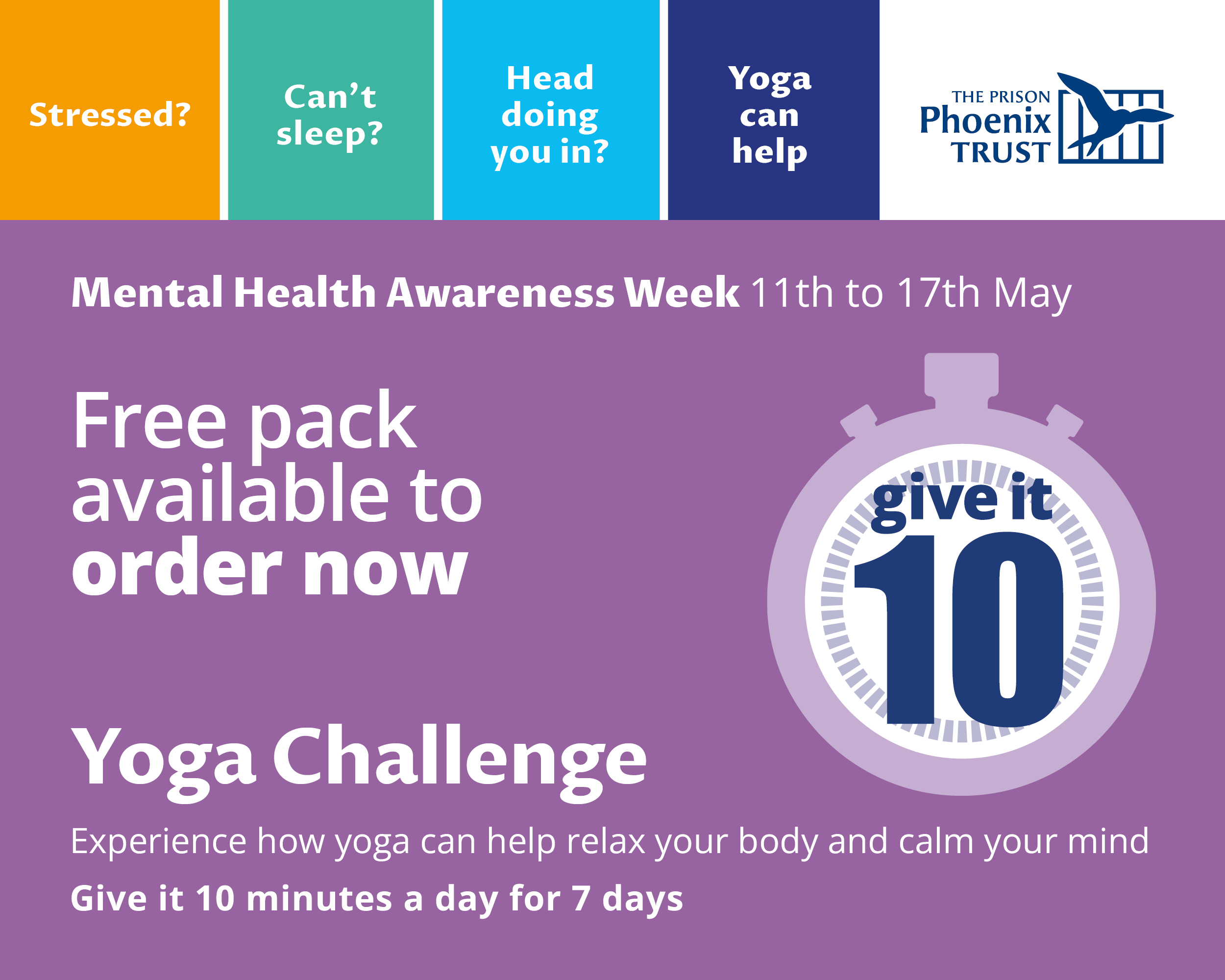
To mark Mental Health Awareness Week (11–17 May), we are offering our free Give It 10 pack to support the wellbeing of people living or working in prison. This simple resource invites participants to try 10 minutes of yoga and meditation a day for 7 days, helping introduce calming, grounding practices into daily life.
What’s Included
The Give It 10 pack is designed for use by individuals or groups, and is ideal for prison officers, health teams, peer supporters and activity coordinators. Each free pack includes:
Why Yoga Supports Prisons’ Mental Health Awareness Week
Research shows that yoga and meditation significantly improve wellbeing in prison environments. In 2023–24, The PPT evaluated 40 participants in yoga classes using the Warwick–Edinburgh Mental Wellbeing Scale. Results included:
84% reported a meaningful improvement in mental wellbeing
Those with low wellbeing fell from 69% to 5%
Moderate wellbeing increased from 31% to 78%
High wellbeing rose from 0% to 18%
These findings highlight the impact of even short, structured wellbeing activity.
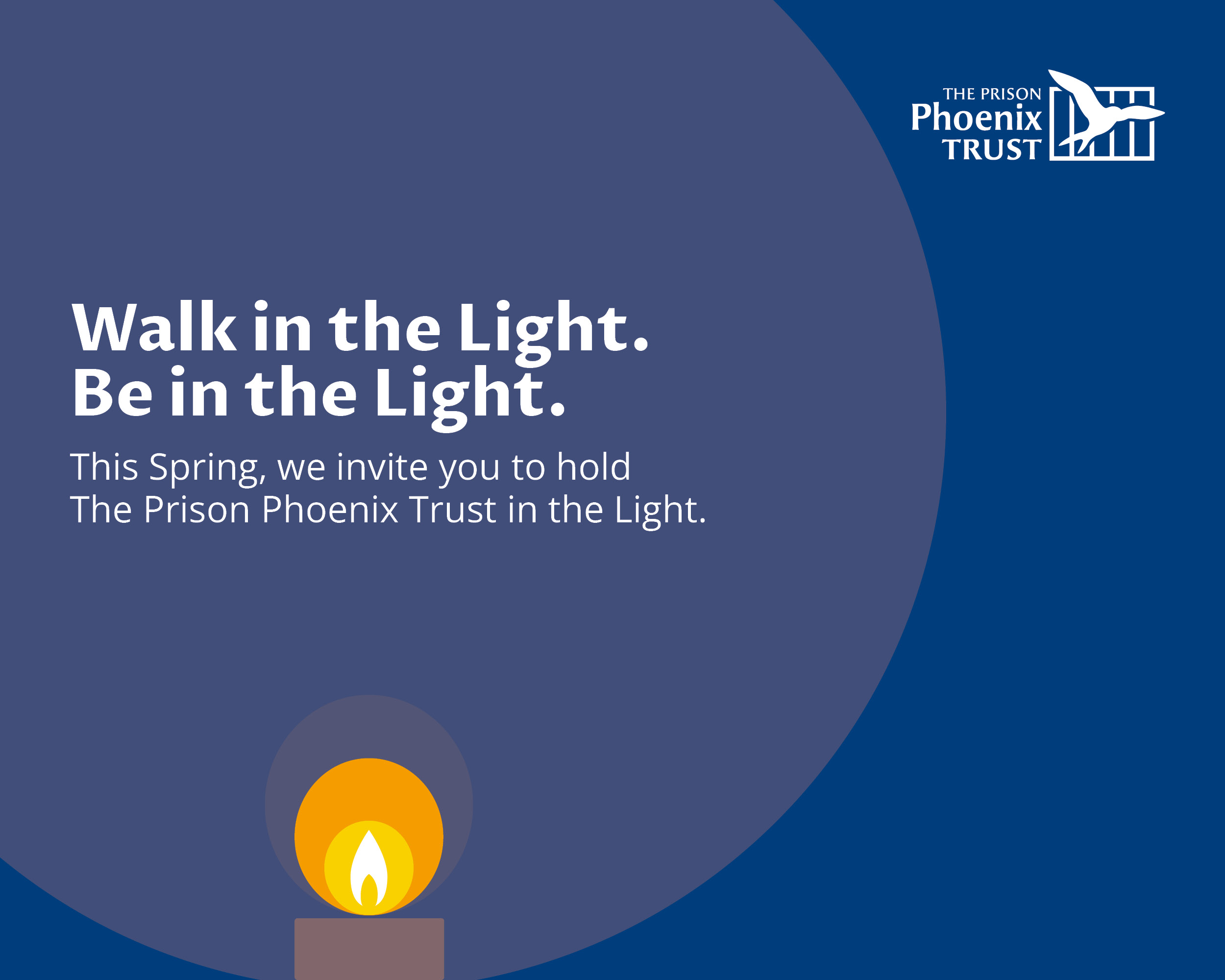
This spring, Quaker communities across the UK and Ireland are invited to partner with The Prison Phoenix Trust to support people in prison through yoga, meditation and spiritual practice.
Supporting people in prison through yoga and meditation
Prisons can be noisy, stressful and isolating environments. Through yoga, meditation and reflective practice, The Prison Phoenix Trust (PPT) helps people in prison find moments of quiet, reconnect with their inner strength, and begin a journey of personal change.
Each year, The Prison Phoenix Trust supports more than 5,000 people in prisons across the UK and Ireland, providing:
Free yoga and meditation resources for people in prison
One-to-one written mentoring and guidance
Access to spiritual support rooted in compassion and non-judgement
Encouragement towards reflection, responsibility and rehabilitation
This gentle but powerful prison outreach work often offers something many participants have never experienced before: being listened to without judgement. For many, it becomes the first step towards lasting change and successful resettlement.
While serving an 18-year prison sentence, Dennis received a letter from his daughter asking him to give up drugs and crime. That moment became the turning point in his life.
He connected with The Prison Phoenix Trust and began practising yoga and meditation in his prison cell. He relied on the charity’s written mentoring and free resources to build a daily practice. Slowly, he began to change how he related to himself and his future.
Through yoga, meditation, and later support from the Quaker community, Dennis discovered what he calls his “inner light” — a steadier, more peaceful way of living guided by honesty, responsibility and self-respect.
Now aged 75 and more than ten years after his release, Dennis lives a completely different life. He is an artist, serves as a Quaker adviser within a university chaplaincy team, and continues his daily yoga and meditation practice.
While in prison, a Quaker chaplain once told him:
“Walk in the light. Be in the light.”
At a time when Dennis felt hopeless, those words reminded him that his inner light was still present — even in the darkest moments. Through yoga and the quiet presence of Quaker chaplaincy, he began reconnecting with that light and allowing it to guide his choices, one day at a time.
Partner with The Prison Phoenix Trust
Quaker Meetings can help expand access to yoga and meditation in prisons across the UK and Ireland.
You can support this prison yoga charity by:
Holding a collection at your Quaker Meeting
Featuring The Prison Phoenix Trust in your newsletter
Sharing Dennis’s story through your community networks
Requesting a fundraising pack to help your Meeting get involved
Funds raised through Quaker communities directly support the creation of spaces of stillness within prisons, helping people find hope, resilience and inner change — even in the most challenging circumstances.
As Selina Sasse, CEO of The Prison Phoenix Trust, shares:
“We are deeply grateful to the Quaker community for its long-standing support. We would love to continue growing this relationship by inviting your Meeting to hold The Prison Phoenix Trust in the Light.”
Together, we can continue supporting rehabilitation, spiritual wellbeing, and positive change for people in prison through yoga and meditation.

 Join The Prison Phoenix Trust as we build our award-winning team supporting people in prison through meditation and yoga.
 Then prisons minister Lord James Timpson recognised the impact of The PPT’s work:
 In 2025 The PPT created a 12-week yoga course, Freedom Inside with Yoga, for people to follow in their cells in HMP Erlestoke on prison service laptops, known as Launchpads.
 Technologically, most prisons still resemble the 1950s more than the 21st century, but since 2021 more than 16,000 Launchpads have been introduced into 20 prisons.
 We are proud to welcome our 2026 Prison Yoga Teacher cohort — twenty‑two dedicated yoga teachers who have begun their specialist training to deliver trauma‑informed yoga and meditation inside prisons across the UK and Ireland.
 Over the next six months, trainees will take part in an intensive programme designed to prepare them to teach safely and effectively in secure environments. Their training includes:
 Help Someone in Prison Take Their First Breath Toward Change
 He says: “I was claiming back a little bit of personal space and creating three inches of air around myself. It gave me armour. My anxiety would go; that fight-or-flight tension just dissipated. It gave me the breathing room to carry me through the week.”