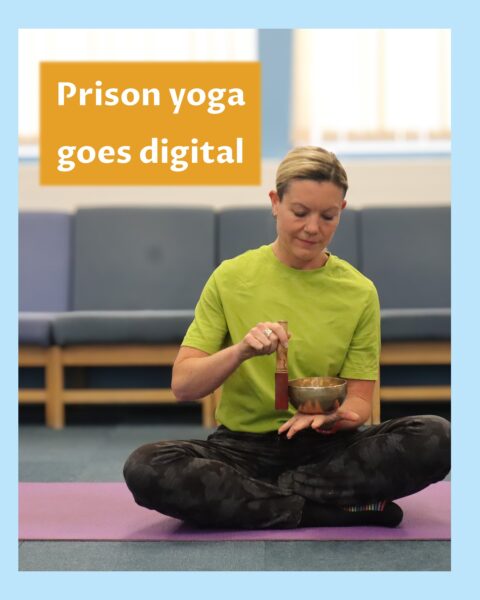
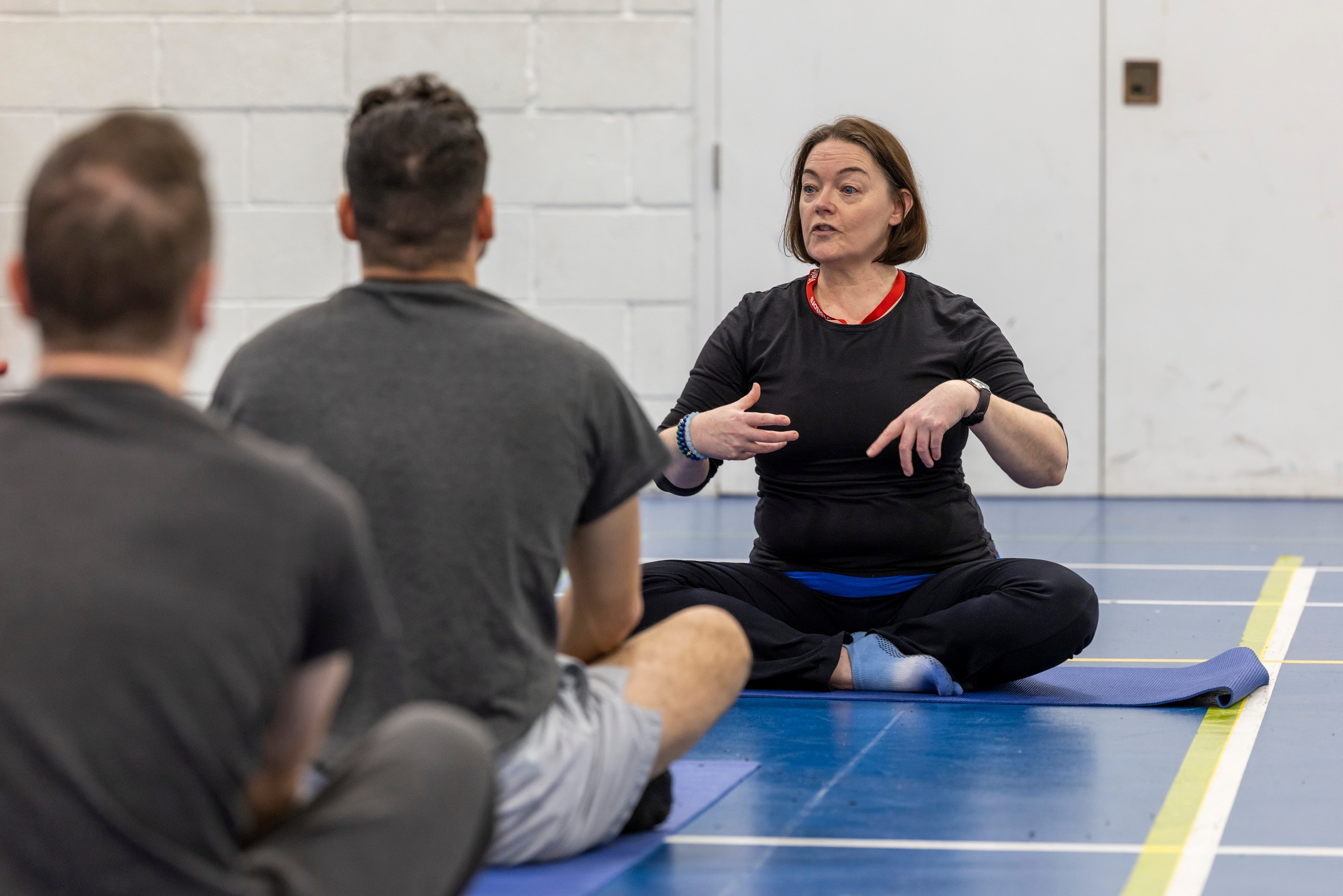
We are proud to welcome our 2026 Prison Yoga Teacher cohort — twenty‑two dedicated yoga teachers who have begun their specialist training to deliver trauma‑informed yoga and meditation inside prisons across the UK and Ireland.
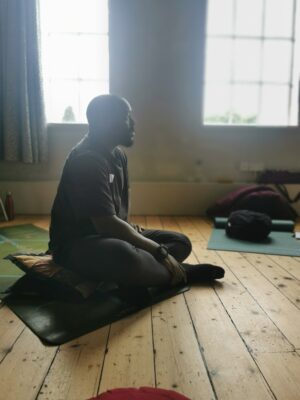
This year’s group was selected from more than 60 applicants. Each trainee brings a powerful combination of compassion, teaching experience, and a commitment to making yoga accessible to people who are often excluded from wellbeing spaces. Many also bring lived experience of the care system or childhood adversity, giving them a deep understanding of the challenges faced by people in prison.
What the 2026 cohort will learn
Over the next six months, trainees will take part in an intensive programme designed to prepare them to teach safely and effectively in secure environments. Their training includes:
trauma‑informed yoga and meditation
supporting emotional regulation and nervous‑system health
adapting practices for people with complex needs
understanding the realities of prison life for both residents and staff
creating calmer, more supportive environments inside
This pathway is more than a training course. It includes mentoring, community support, and real‑life teaching experience. Those who complete the full programme — including teaching a class inside a prison — will earn British Wheel of Yoga accreditation as Prison Yoga Teachers.
Help Someone in Prison Take Their First Breath Toward Change
When Jasper first woke up in a prison cell, he felt like a “broken human.” The weight of what he had done – and the harm he had caused – felt unbearable. He describes those early days as being “wrapped in cling film”: tight, suffocating, and impossible to escape.
In the middle of that pressure, Jasper found something unexpected: a yoga mat.
“Yoga gave me three inches of air around myself.” – Jasper
For Jasper, yoga wasn’t just exercise. It was the first moment of stillness he had felt in years. A place where his nervous system could settle. A space where he could breathe again.
He says: “I was claiming back a little bit of personal space and creating three inches of air around myself. It gave me armour. My anxiety would go; that fight-or-flight tension just dissipated. It gave me the breathing room to carry me through the week.”
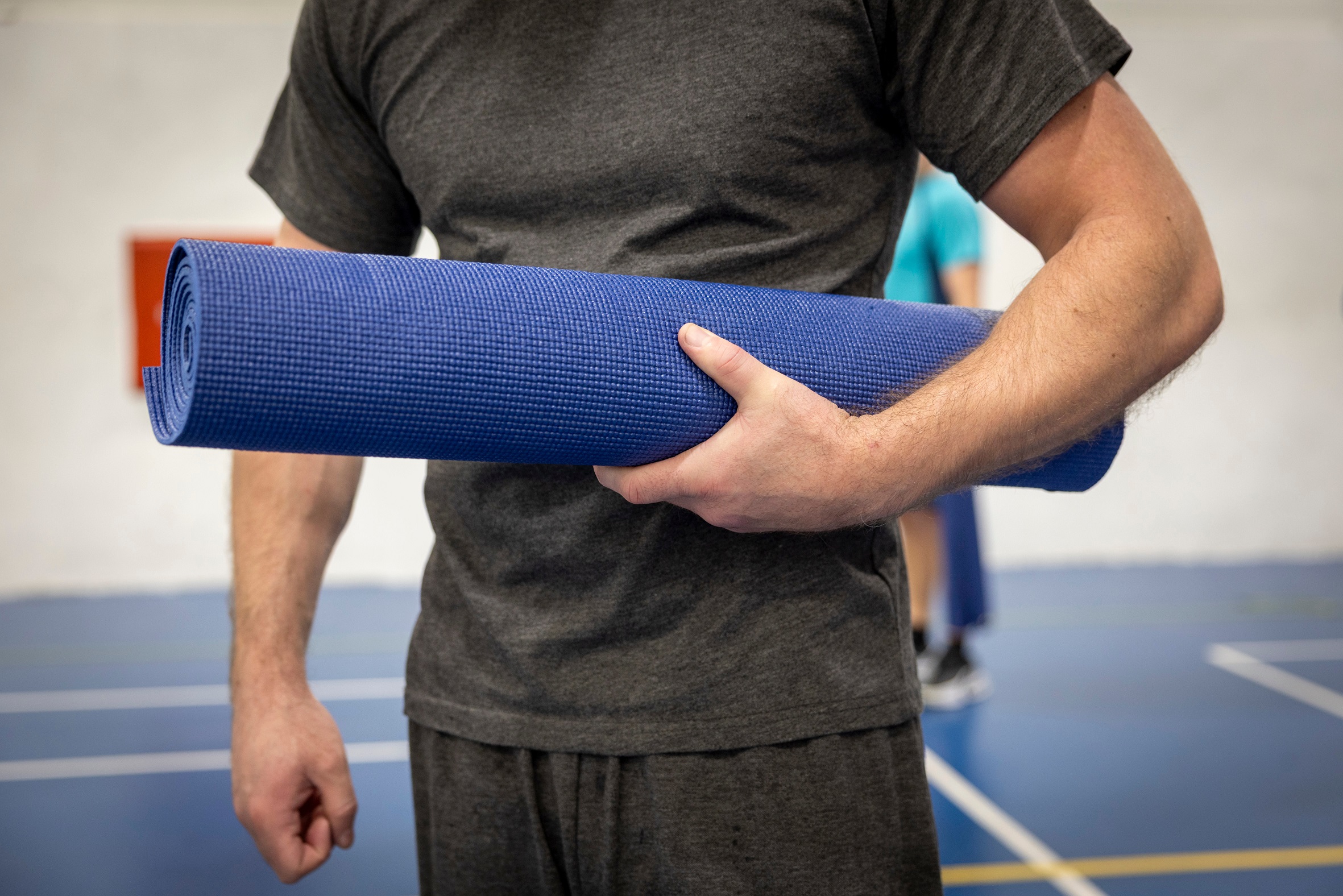
Week by week, Jasper rebuilt himself from the inside out. He learned to sit with difficult emotions, to reflect without fear, and to imagine a future beyond the walls around him.
A pioneering project in south‑west England is using yoga and meditation to support people with long histories of offending—and early signs suggest it’s making a real difference.
Repeat offending is a major challenge for the criminal justice system. Adults with 11 or more previous offences make up around 39% of all adult offenders, yet they account for 78% of total adult reoffences. Helping this group to change course could significantly reduce crime and ease pressure on overcrowded prisons.
But so‑called prolific offenders are among the hardest people to reach. Many live with the long-term effects of unresolved trauma, neurodiversity, and adverse childhood experiences. Breaking entrenched cycles of behaviour requires more than punishment—it requires trust, stability, and new tools for coping.
A holistic approach to resettlement
Health and social care charity Change Grow Live has been commissioned by the probation service to explore new ways of helping people caught in cycles of offending to break that cycle. They are combining practical resettlement support with holistic wellbeing interventions. Their aim is to build trust, resilience, and hope—qualities that are often in short supply for people who have spent years moving in and out of the criminal justice system.
One of the most promising strands of this work is a yoga and meditation programme delivered in four prisons across the region.
Yoga in prison: a new starting point
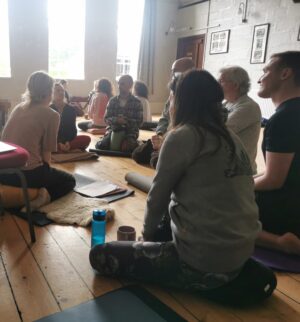
For the past six months, specialist teachers from The Prison Phoenix Trust (The PPT) have been running weekly sessions in:
HMP Bristol
HMP Portland
HMP Guys Marsh
HMP Channings Wood
The sessions offer a calm, structured space where people can begin to take responsibility for their own mental and physical wellbeing. Simple breathing techniques, gentle movement and meditation help participants develop emotional regulation, focus, and a sense of agency.
The PPT approach is deliberately flexible. In some prisons, teachers work one‑to‑one with individuals who need tailored support. In others, group classes help build a sense of community and mutual encouragement. Participants also receive illustrated sheets of simple exercises they can practise in their cells.
Early signs of change
Teachers report encouraging levels of engagement. One instructor at HMP Channings Wood described a session of chair yoga:
“From being quite unsettled to start, the men were able to focus on their breathing, sit still and meditate—almost surprising themselves that they’re able to do that.”
Participants themselves echo this shift:
HMP Channings Wood: “Was stressed at first, now relaxed. Very good, my head feels clear.”
HMP Guys Marsh: “Was not expecting today, but 100% committed and look forward to coming back next week. I feel good—relaxed and calm.”
HMP Bristol: “I’m open to yoga, which is helping my mental health and movement.”
Building trust beyond the mat
The impact goes beyond the sessions themselves. By showing up consistently and without judgement, The PPT teachers are building trust—something many participants have rarely experienced in institutional settings.
This trust opens the door to deeper conversations about life after release: fears about finding work and housing, reconnecting with family, and navigating the challenges of resettlement. Yoga becomes the starting point for wider support.
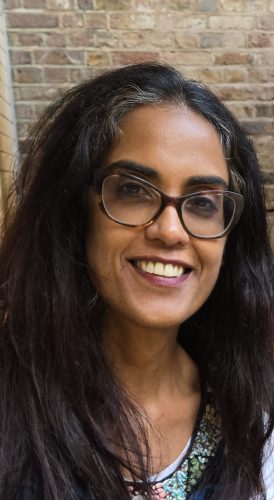
As The PPT’s CEO Selina Sasse explains:
“When people are at rock bottom, yoga and meditation can give them a starting point. It helps people begin to focus, to feel part of something, and to commit to something positive. Just getting people to engage can be a real breakthrough.”
Change Grow Live’s Jenny Sherwood agrees:
“The Prison Phoenix Trust have been true partners in this project—reliable, consistent, and willing to go the extra mile. This cohort faces many challenges and often struggles to make prison work for them. The PPT teachers have played a valuable role in building trust by meeting men where they’re at, listening without judgement, and offering simple, practical ways to build resilience and confidence—vital for recovery and resettlement.”
Give It 10: Free Yoga & Meditation Pack for Better Mental Health in Prison
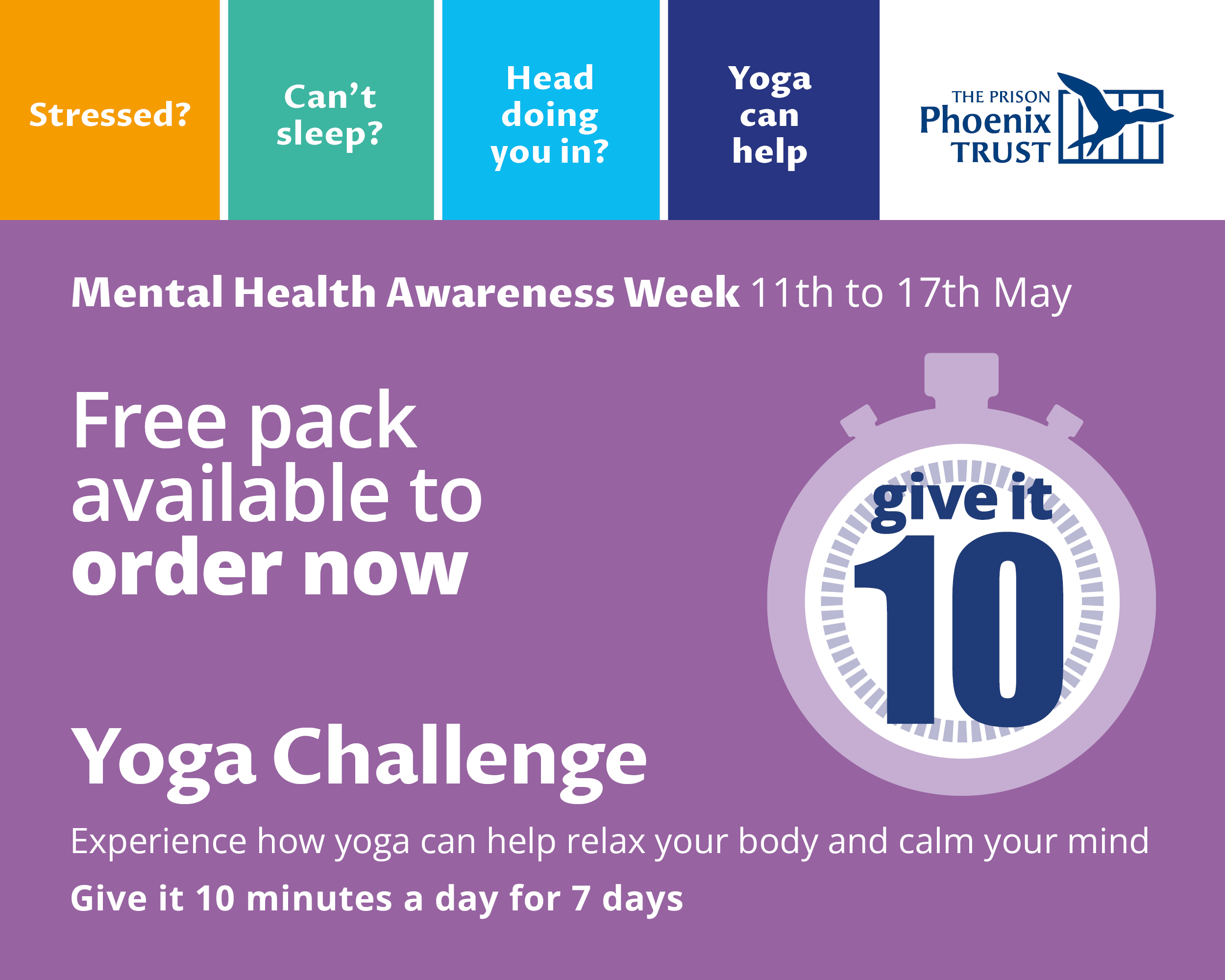
To mark Mental Health Awareness Week (11–17 May), we are offering our free Give It 10 pack to support the wellbeing of people living or working in prison. This simple resource invites participants to try 10 minutes of yoga and meditation a day for 7 days, helping introduce calming, grounding practices into daily life.
What’s Included
The Give It 10 pack is designed for use by individuals or groups, and is ideal for prison officers, health teams, peer supporters and activity coordinators. Each free pack includes:
Why Yoga Supports Prisons’ Mental Health Awareness Week
Research shows that yoga and meditation significantly improve wellbeing in prison environments. In 2023–24, The PPT evaluated 40 participants in yoga classes using the Warwick–Edinburgh Mental Wellbeing Scale. Results included:
84% reported a meaningful improvement in mental wellbeing
Those with low wellbeing fell from 69% to 5%
Moderate wellbeing increased from 31% to 78%
High wellbeing rose from 0% to 18%
These findings highlight the impact of even short, structured wellbeing activity.
This spring, Quaker communities across the UK and Ireland are invited to partner with The Prison Phoenix Trust to support people in prison through yoga, meditation and spiritual practice.
Supporting people in prison through yoga and meditation
Prisons can be noisy, stressful and isolating environments. Through yoga, meditation and reflective practice, The Prison Phoenix Trust (PPT) helps people in prison find moments of quiet, reconnect with their inner strength, and begin a journey of personal change.
Each year, The Prison Phoenix Trust supports more than 5,000 people in prisons across the UK and Ireland, providing:
Free yoga and meditation resources for people in prison
One-to-one written mentoring and guidance
Access to spiritual support rooted in compassion and non-judgement
Encouragement towards reflection, responsibility and rehabilitation
This gentle but powerful prison outreach work often offers something many participants have never experienced before: being listened to without judgement. For many, it becomes the first step towards lasting change and successful resettlement.
While serving an 18-year prison sentence, Dennis received a letter from his daughter asking him to give up drugs and crime. That moment became the turning point in his life.
He connected with The Prison Phoenix Trust and began practising yoga and meditation in his prison cell. He relied on the charity’s written mentoring and free resources to build a daily practice. Slowly, he began to change how he related to himself and his future.
Through yoga, meditation, and later support from the Quaker community, Dennis discovered what he calls his “inner light” — a steadier, more peaceful way of living guided by honesty, responsibility and self-respect.
Now aged 75 and more than ten years after his release, Dennis lives a completely different life. He is an artist, serves as a Quaker adviser within a university chaplaincy team, and continues his daily yoga and meditation practice.
While in prison, a Quaker chaplain once told him:
“Walk in the light. Be in the light.”
At a time when Dennis felt hopeless, those words reminded him that his inner light was still present — even in the darkest moments. Through yoga and the quiet presence of Quaker chaplaincy, he began reconnecting with that light and allowing it to guide his choices, one day at a time.
Partner with The Prison Phoenix Trust
Quaker Meetings can help expand access to yoga and meditation in prisons across the UK and Ireland.
You can support this prison yoga charity by:
Holding a collection at your Quaker Meeting
Featuring The Prison Phoenix Trust in your newsletter
Sharing Dennis’s story through your community networks
Requesting a fundraising pack to help your Meeting get involved
Funds raised through Quaker communities directly support the creation of spaces of stillness within prisons, helping people find hope, resilience and inner change — even in the most challenging circumstances.
As Selina Sasse, CEO of The Prison Phoenix Trust, shares:
“We are deeply grateful to the Quaker community for its long-standing support. We would love to continue growing this relationship by inviting your Meeting to hold The Prison Phoenix Trust in the Light.”
Together, we can continue supporting rehabilitation, spiritual wellbeing, and positive change for people in prison through yoga and meditation.
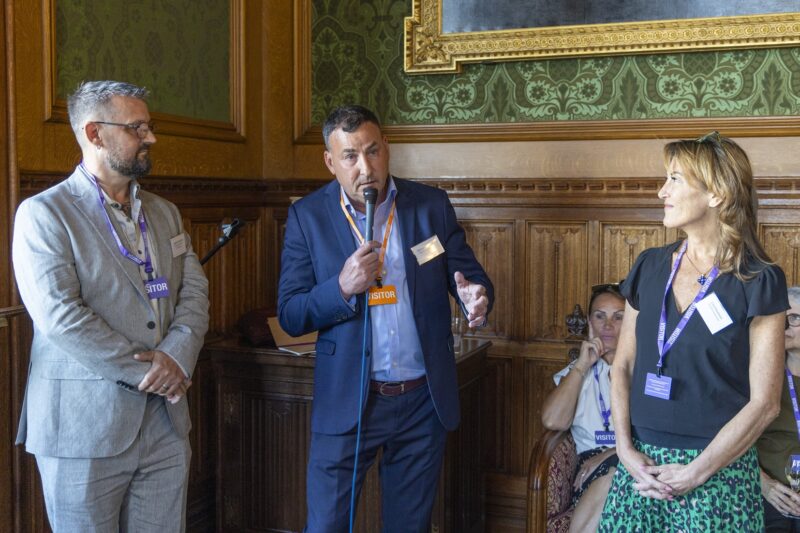
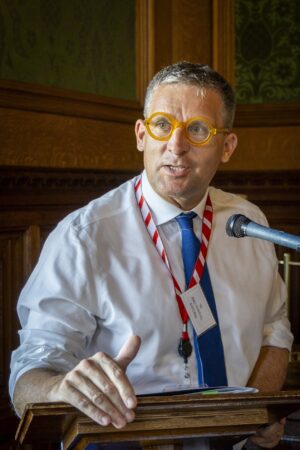
We are delighted to announce the appointment of four new trustees to our Board. Their expertise, experience, and commitment will be invaluable as we continue to develop our service delivery and support those in prison.
Valerie Smith is Head of Legal and Business Affairs at an independent television production company. She says “I am truly delighted to have been appointed as a trustee to the board of the Prison Phoenix Trust. Over nearly 40 years, the PPT has transformed lives and been a light for people living and working within the prison system and it is a privilege to be able to contribute to the board and exceptional work of the PPT.”
Jasper Jameson is a personal trainer, coach and mentor. He brings valuable experience of serving time in prison, where he discovered yoga and meditation through classes with The Prison Phoenix Trust. He says “I am incredibly proud to now serve on the Board of Trustees for The Prison Phoenix Trust. I bring my lived experience to help ensure that the same support I received is available to people in prison now and in the future, and to highlight the importance of these practices in the wider community.”Continue Reading
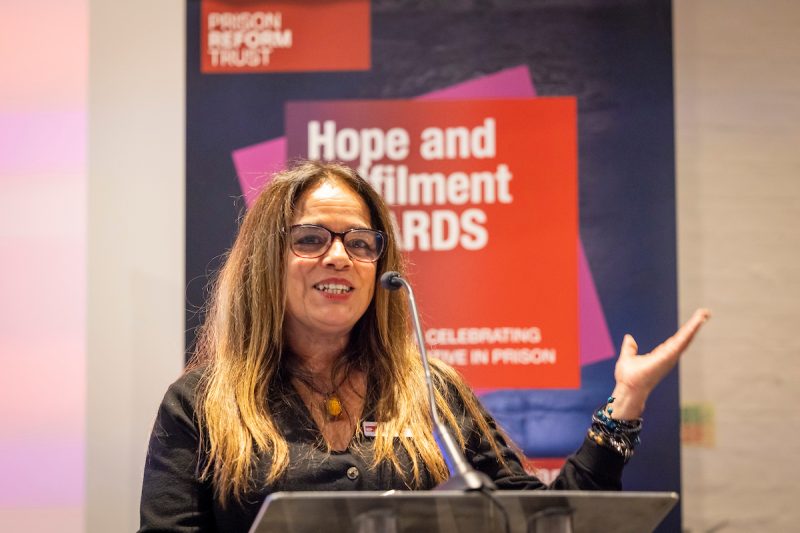
Prison Reform Trust CEO Pia Sinha announced Simon’s award
Simon, a mentee of The Prison Phoenix Trust, has been recognised with a Hope and Fulfilment Award from the Prison Reform Trust for his outstanding contribution to the wellbeing of others in prison.
While serving his sentence in 2 prisons, Simon created and led the Inner Strength, Movement and Breathwork course — a programme that uses yoga, meditation, and mindfulness to build resilience and emotional strength among his peers.
Celebrating Hope and Human Connection
Simon’s recognition marks the third major award for The Prison Phoenix Trust in 2025. In September, long-time volunteer Yvonne was highly commended in the BBC Make a Difference Awards after 22 years of mentoring people in prison. In May, yoga teacher Emma won the British Wheel of Yoga Heart of Yoga Award for her work teaching young offenders.
Together, Simon, Emma and Yvonne’s achievements highlight the power of human connection, compassion, and personal growth in the rehabilitation journey. Continue Reading
Congratulations to Yvonne, who has been highly commended in the BBC Make a Difference Awards for her voluntary service supporting people in prison to practise yoga and meditation for 22 years.
Celebrating Hope and Human Connection
Yvonne’s recognition is one of three major awards for The Prison Phoenix Trust in 2025. In October, Simon was recognised with a Prison Reform Trust Hope and Fulfilment Award for his dedication teaching yoga and meditation to his peers while serving a prison sentence. In May, yoga teacher Emma won the British Wheel of Yoga Heart of Yoga Award for her work teaching young offenders.
On her 40th birthday, Lisa Newman was beginning an 18-month prison sentence for dealing drugs. Today, aged 52 and living in Gloucestershire, she’s a qualified addiction recovery coach, a public speaker, and a business owner. But back then, life felt completely out of control.
While in prison, Lisa came across The Prison Phoenix Trust, a charity that supports people in custody through the tools of yoga, meditation and spiritual connection. Since 1988, the charity has helped thousands of people in prisons across the UK and Ireland find calm, hope and self-belief in the most difficult circumstances.
Lisa reached out to the charity and not long after, she heard from Caroline, a volunteer mentor. What started with a letter turned into a lifeline; made possible in part by people who leave gifts in Wills. Caroline offered encouragement and guidance by post, along with yoga books and CDs tailored to Lisa’s situation, all funded through the support that legacy giving helps to provide.
“She helped me practise yoga and meditation in my tiny cell. But more than that, she gave me emotional support,” Lisa says. “I could write about my guilt, my shame – and someone actually listened. It was the first time I felt heard and cared for in years.”