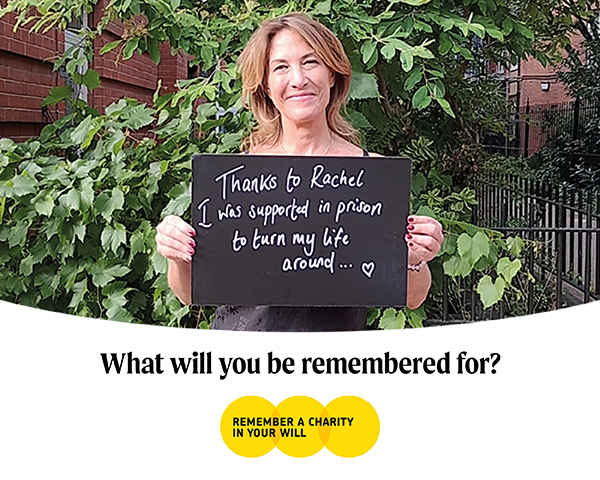
 On her 40th birthday, Lisa Newman was beginning an 18-month prison sentence for dealing drugs. Today, aged 52 and living in Gloucestershire, she’s a qualified addiction recovery coach, a public speaker, and a business owner. But back then, life felt completely out of control.
While in prison, Lisa came across The Prison Phoenix Trust, a charity that supports people in custody through the tools of yoga, meditation and spiritual connection. Since 1988, the charity has helped thousands of people in prisons across the UK and Ireland find calm, hope and self-belief in the most difficult circumstances.
Hear Lisa’s story on Life After Prison podcast
Lisa reached out to the charity and not long after, she heard from Caroline, a volunteer mentor. What started with a letter turned into a lifeline; made possible in part by people who leave gifts in Wills. Caroline offered encouragement and guidance by post, along with yoga books and CDs tailored to Lisa’s situation, all funded through the support that legacy giving helps to provide.
“She helped me practise yoga and meditation in my tiny cell. But more than that, she gave me emotional support,” Lisa says. “I could write about my guilt, my shame – and someone actually listened. It was the first time I felt heard and cared for in years.”
Continue Reading

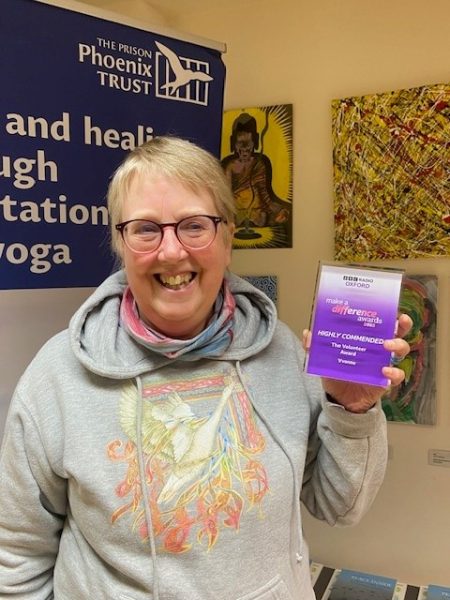 Congratulations to Yvonne, who has been highly commended in the BBC Make a Difference Awards for her voluntary service supporting people in prison to practise yoga and meditation for 22 years.
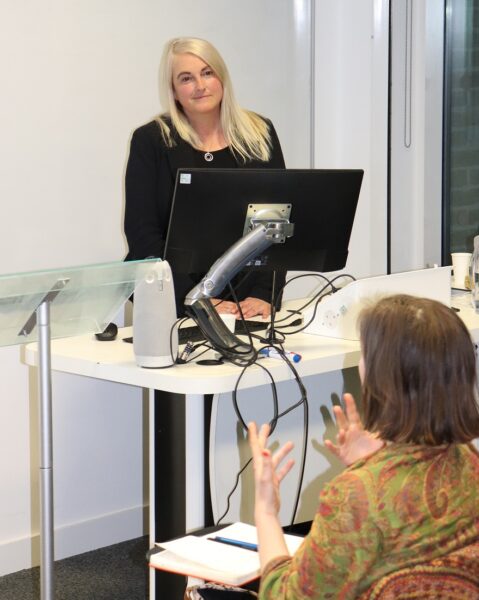 By The Prison Phoenix Trust CEO Selina Sasse
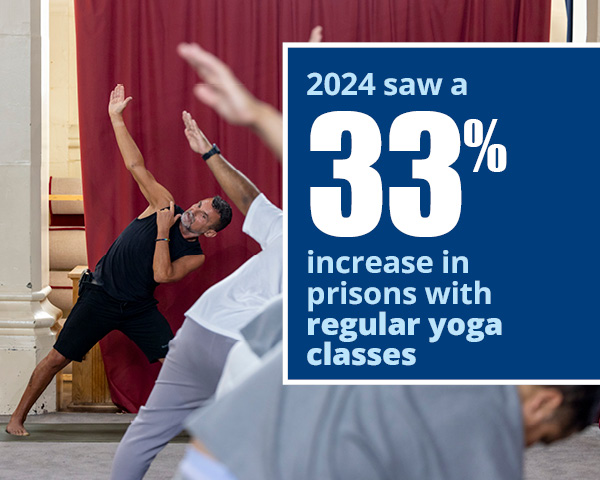 The Prison Phoenix Trust’s new
 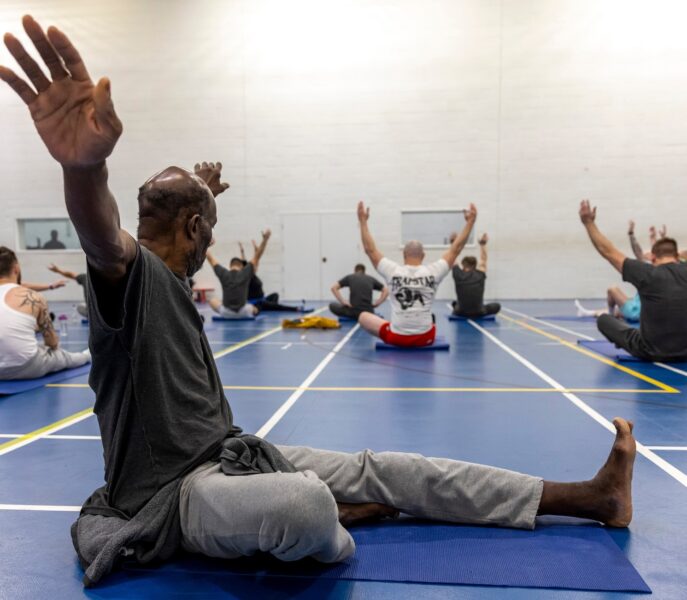 For Mental Health Awareness Week 2025, The Prison Phoenix Trust launched Give it 10 — a simple, effective yoga and mindfulness challenge for people in custody. The idea? Just 10 minutes a day for 7 days to support mental wellbeing.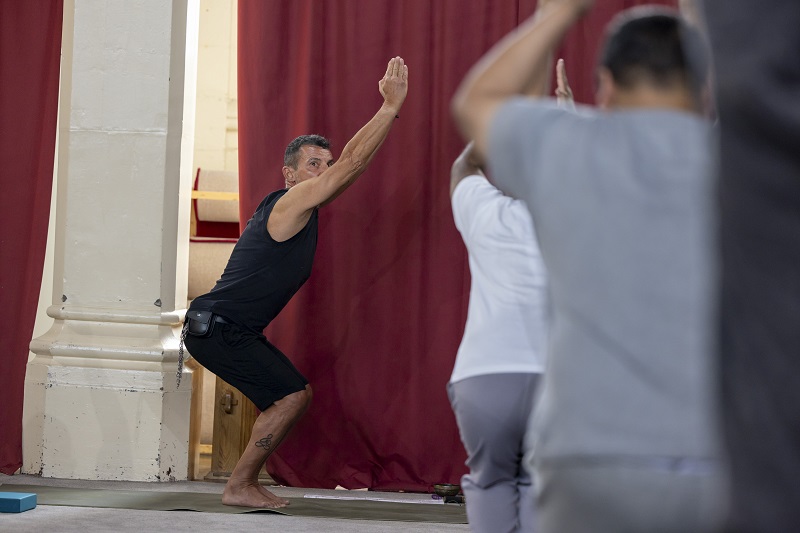
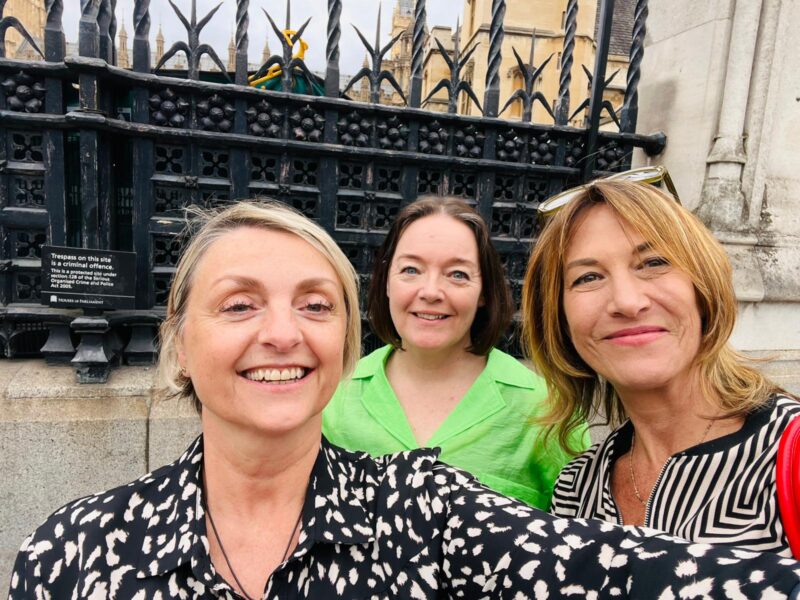
 Do you have a passion for helping prisons support the rehabilitation of people in their care – and their reintegration into society? Prison yoga charity The Prison Phoenix Trust is seeking new trustees to join our Board.
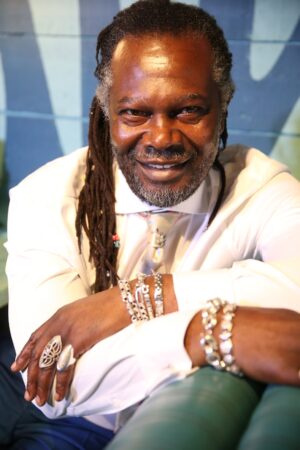 Celebrity chef and businessman Levi Roots offers advice to people trying to stay healthy in prison, drawing on his own experience of serving time inside.