

A pioneering project in south‑west England is using yoga and meditation to support people with long histories of offending—and early signs suggest it’s making a real difference.
Repeat offending is a major challenge for the criminal justice system. Adults with 11 or more previous offences make up around 39% of all adult offenders, yet they account for 78% of total adult reoffences. Helping this group to change course could significantly reduce crime and ease pressure on overcrowded prisons.
But so‑called prolific offenders are among the hardest people to reach. Many live with the long-term effects of unresolved trauma, neurodiversity, and adverse childhood experiences. Breaking entrenched cycles of behaviour requires more than punishment—it requires trust, stability, and new tools for coping.
A holistic approach to resettlement
Health and social care charity Change Grow Live has been commissioned by the probation service to explore new ways of helping people caught in cycles of offending to break that cycle. They are combining practical resettlement support with holistic wellbeing interventions. Their aim is to build trust, resilience, and hope—qualities that are often in short supply for people who have spent years moving in and out of the criminal justice system.
One of the most promising strands of this work is a yoga and meditation programme delivered in four prisons across the region.
Yoga in prison: a new starting point
For the past six months, specialist teachers from The Prison Phoenix Trust (The PPT) have been running weekly sessions in:
- HMP Bristol
- HMP Portland
- HMP Guys Marsh
- HMP Channings Wood
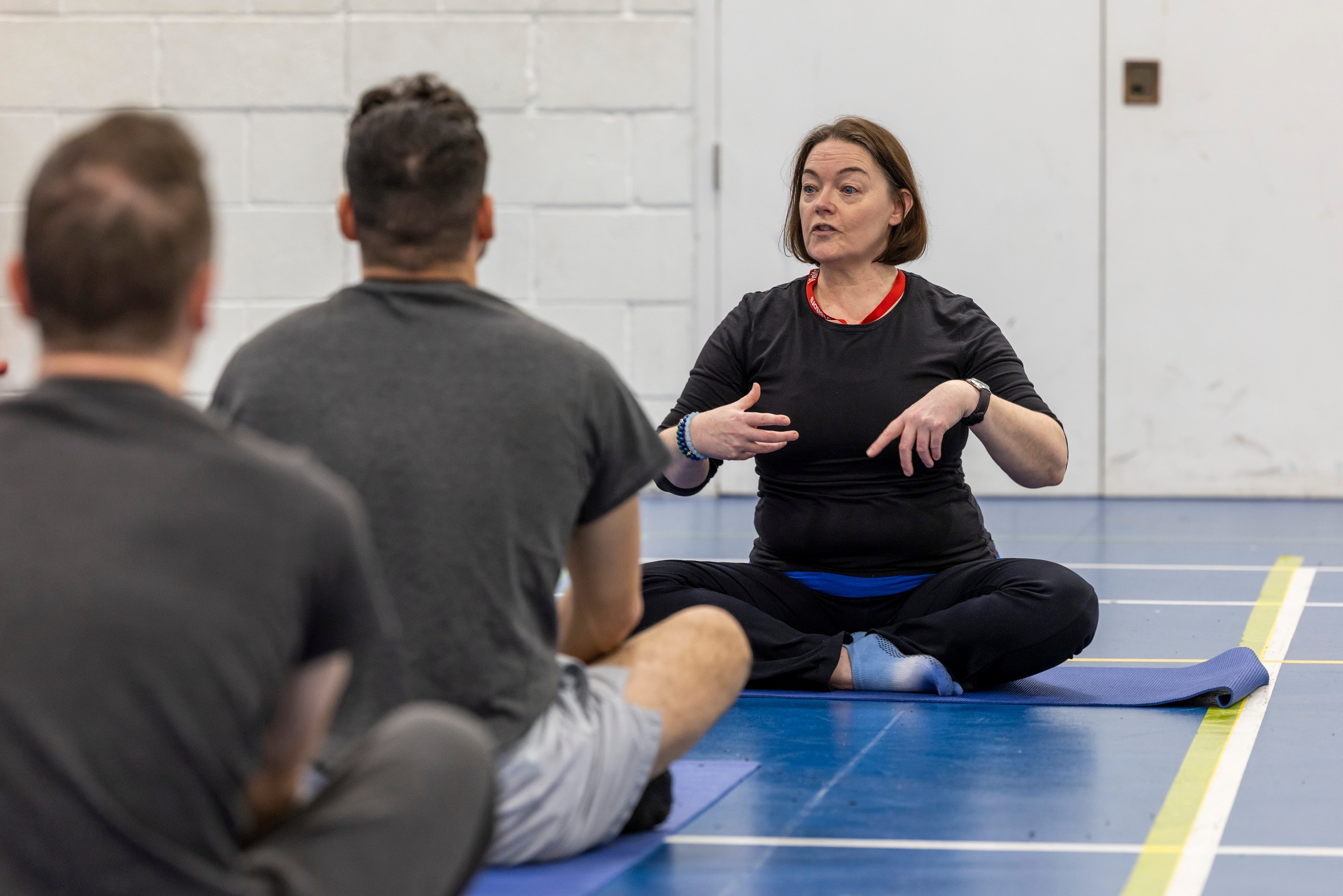
The sessions offer a calm, structured space where people can begin to take responsibility for their own mental and physical wellbeing. Simple breathing techniques, gentle movement and meditation help participants develop emotional regulation, focus, and a sense of agency.
The PPT approach is deliberately flexible. In some prisons, teachers work one‑to‑one with individuals who need tailored support. In others, group classes help build a sense of community and mutual encouragement. Participants also receive illustrated sheets of simple exercises they can practise in their cells.
Early signs of change
Teachers report encouraging levels of engagement. One instructor at HMP Channings Wood described a session of chair yoga:
“From being quite unsettled to start, the men were able to focus on their breathing, sit still and meditate—almost surprising themselves that they’re able to do that.”
Participants themselves echo this shift:
- HMP Channings Wood: “Was stressed at first, now relaxed. Very good, my head feels clear.”
- HMP Guys Marsh: “Was not expecting today, but 100% committed and look forward to coming back next week. I feel good—relaxed and calm.”
- HMP Bristol: “I’m open to yoga, which is helping my mental health and movement.”
Building trust beyond the mat
The impact goes beyond the sessions themselves. By showing up consistently and without judgement, The PPT teachers are building trust—something many participants have rarely experienced in institutional settings.
This trust opens the door to deeper conversations about life after release: fears about finding work and housing, reconnecting with family, and navigating the challenges of resettlement. Yoga becomes the starting point for wider support.
As The PPT’s CEO Selina Sasse explains:
“When people are at rock bottom, yoga and meditation can give them a starting point. It helps people begin to focus, to feel part of something, and to commit to something positive. Just getting people to engage can be a real breakthrough.”
Change Grow Live’s Jenny Sherwood agrees:
“The Prison Phoenix Trust have been true partners in this project—reliable, consistent, and willing to go the extra mile. This cohort faces many challenges and often struggles to make prison work for them. The PPT teachers have played a valuable role in building trust by meeting men where they’re at, listening without judgement, and offering simple, practical ways to build resilience and confidence—vital for recovery and resettlement.”