
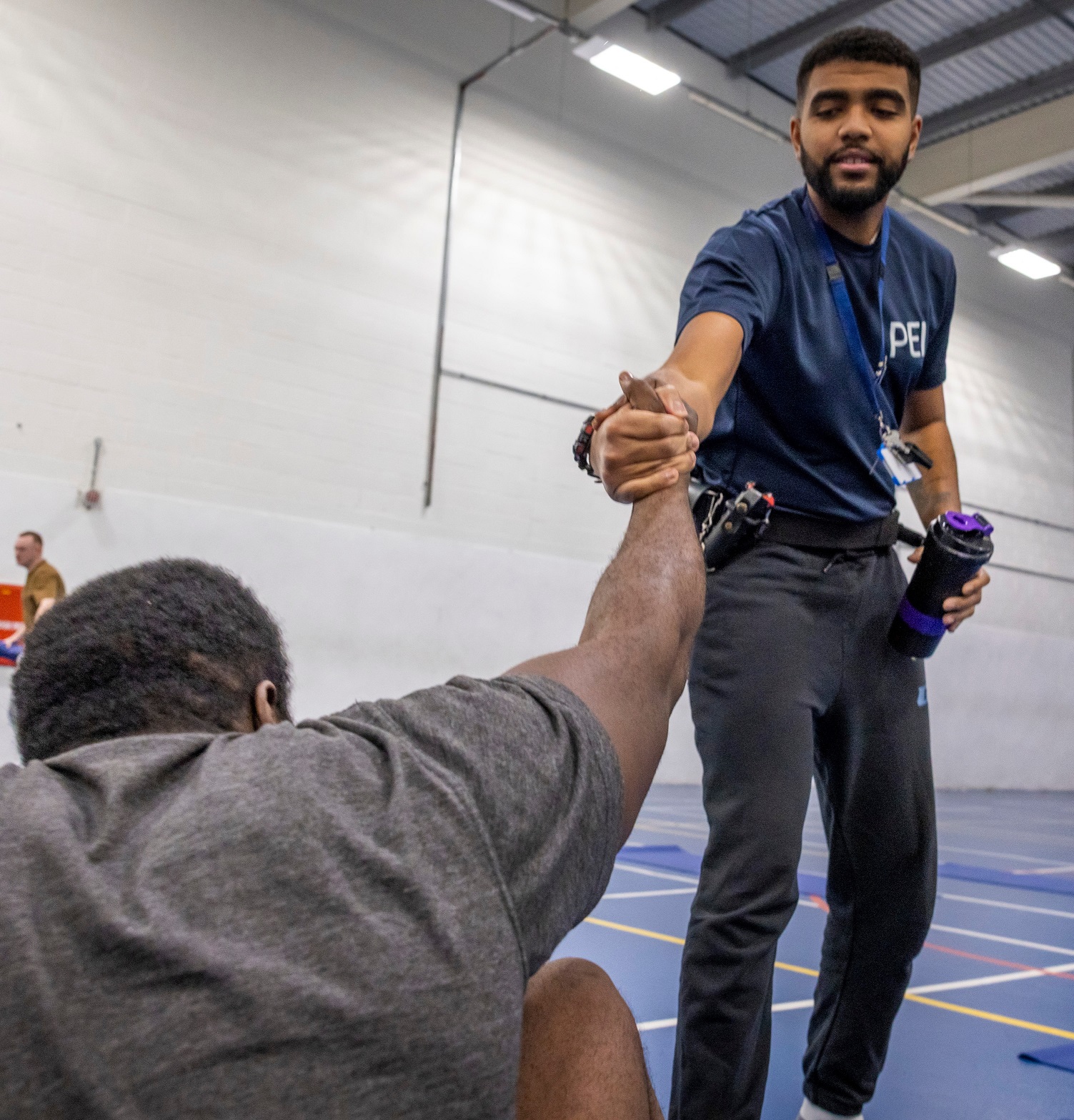
One year of the ReNew yoga programme
A man struggling to sleep. A prisoner experiencing a mental health crisis. People who might never engage with traditional interventions.
Over the past year, The Prison Phoenix Trust has been working with Change Grow Live (CGL) to deliver yoga and meditation sessions through the ReNew programme in four South West prisons: HMP Bristol, HMP Channings Wood, HMP Guys Marsh and HMP Portland.
The programme supports people on the Integrated Offender Management (IOM) pathway, many of whom face significant challenges including substance misuse, poor mental health and repeated involvement with the criminal justice system.
What we are seeing is encouraging.
Impact at a glance
- Four prisons participating across the South West
- Delivered by The Prison Phoenix Trust in partnership with Change Grow Live
- Programme extended until March 2027 following positive early results
- Participants reporting improvements in calm, sleep, wellbeing and emotional regulation
A programme built on trust
Since June 2026, around 18 people have attended ReNew yoga sessions each week across the four prisons.
But the real story isn’t the numbers. It’s the people behind them.
One participant had recently received an adjudication after taking medication obtained from another prisoner because he was struggling to sleep.
When encouraged to try yoga, he initially resisted.
“It wasn’t his thing.”
The following week, he reported enjoying the session, sleeping better afterwards and wanting to come back.
For prison staff, these moments matter. Someone who was reluctant to engage with support had found a healthier way to manage his wellbeing.
Finding calm in a crisis
At HMP Guys Marsh, one regular participant missed a session because he was experiencing an acute mental health crisis.
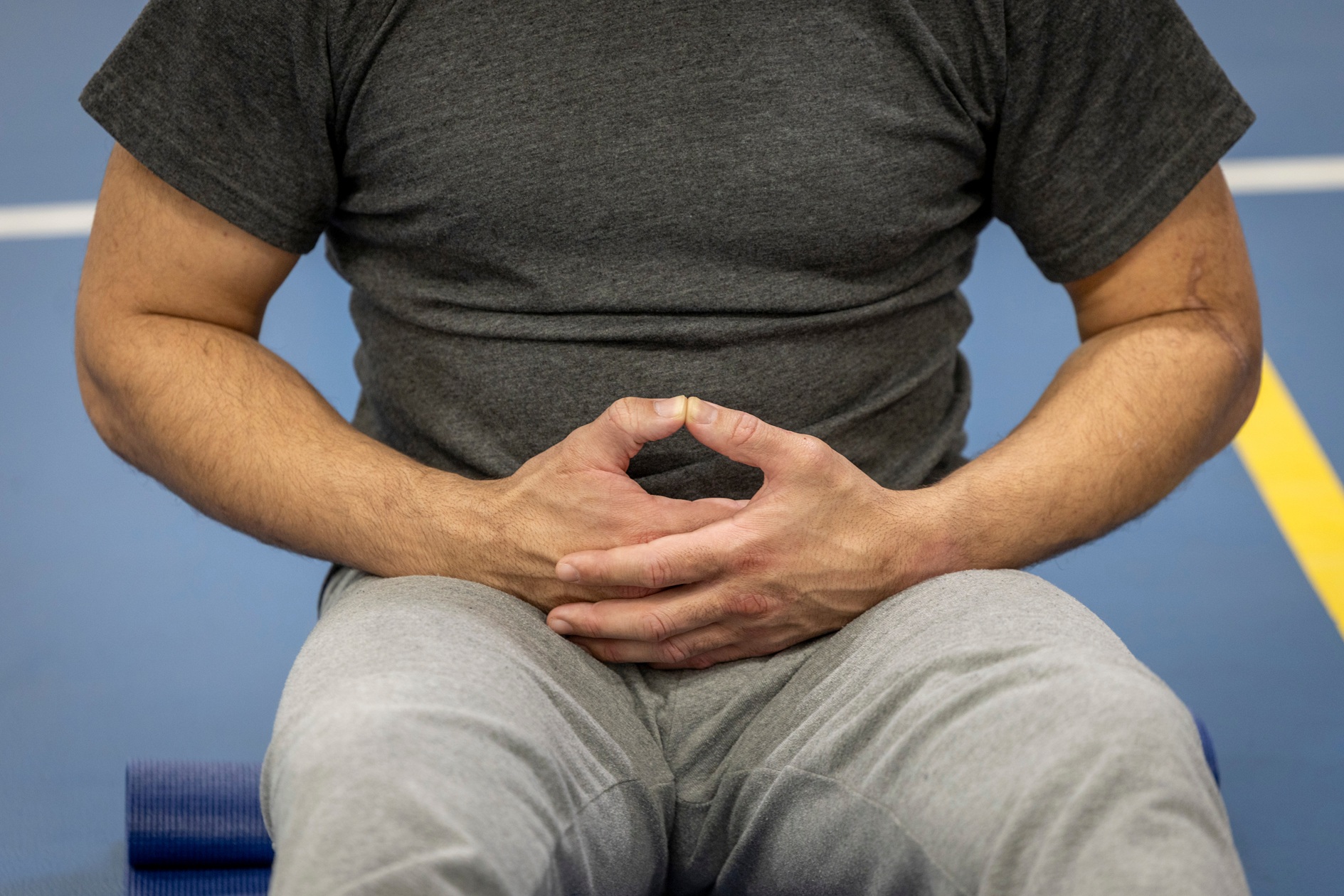
Concerned for his wellbeing, the yoga teacher spent time with him in the exercise yard practising breathing exercises and meditation techniques they had learned together.
Afterwards, the teacher reflected:
“We chatted for a bit after and he was a lot calmer and more centred.”
This moment demonstrated something important: trust.
At a time of acute distress, the participant was willing to use techniques learned through the programme to help regain a sense of calm and stability.
Learning skills that last
Teachers across the four prisons consistently report improvements in concentration, emotional regulation and self-awareness.
Participants who arrive distracted or restless are learning how to pause, focus and respond differently to difficult situations.
As one teacher observed:
“I’ll just ring my little bells and suddenly they all stop instantly. They’re just tuning into their breathing. It’s incredible.”
Many participants report taking these skills back to their cells and using them independently.
“It was good to do breathing exercises. Make me feel calm. I now have exercises I can do in my cell.”
For people whose lives have often been characterised by stress, instability and trauma, these practical tools can be life-changing.
Small changes that matter
Teachers have also noticed changes in how people treat one another.
When a nervous newcomer joined one class, established participants made a point of helping him feel comfortable and welcome.
Reflecting on the atmosphere, the teacher said:
“They’re really almost maturing around that… a deeper sensitivity, not just about themselves, but about their part in making the environment comfortable for everybody.”
For people who have often lived in environments shaped by distrust and hypervigilance, these moments of empathy are significant.
Looking towards the future
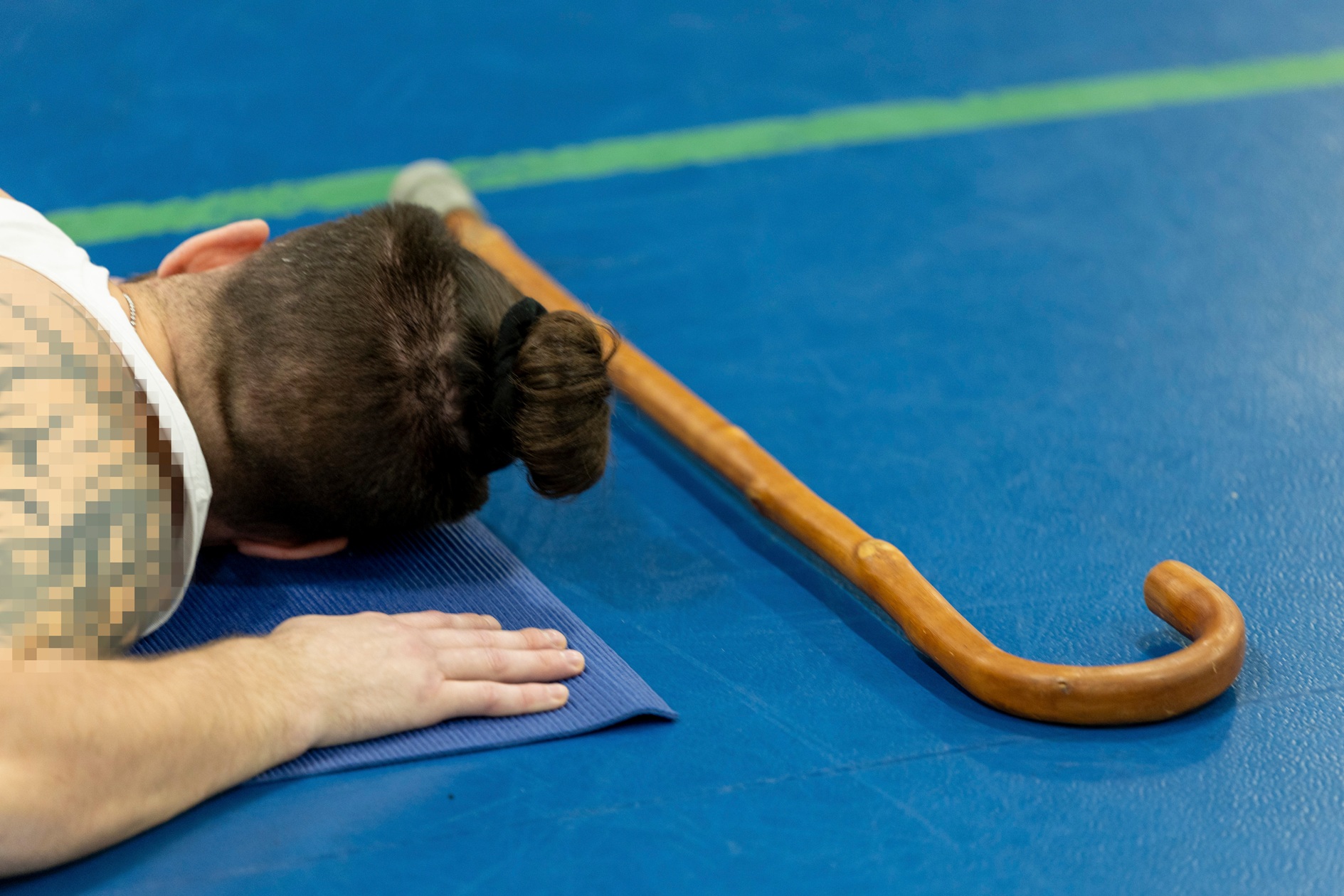
Perhaps the most encouraging change is what participants are beginning to say about life after prison.
Teachers increasingly hear men talking about healthier lifestyles, positive relationships and continuing wellbeing practices after release.
As one teacher put it:
“There’s a sense that they want better for themselves.”
What Participants Are Saying
- “I always feel relaxed and reassured. I’m feeling myself progress.”
- “It helps relax me. I get anger build up so it helps a lot to clear my head.”
- “This has opened my eyes to a future of meditation and wellbeing.”
- “At 42, after 15 years just on IPP, it’s helping both my physical and mental health and wellbeing.”
More than a yoga class
One year into the ReNew partnership, yoga and meditation are helping people develop skills that support lasting change: emotional regulation, self-awareness, resilience, empathy and hope.
For prison staff, these are qualities that contribute to safer and more constructive prison communities. For participants, they can provide the foundations for healthier choices both inside prison and after release.
The stories emerging from ReNew suggest that yoga and meditation are doing far more than helping people feel calmer for an hour each week. They are helping people begin to believe that change is possible.
See more evidence for impact of yoga in prison
Bring yoga and meditation to your prison
If are a prison manager looking for effective ways to engage hard-to-reach prisoners, support rehabilitation and improve wellbeing, yoga and meditation can make a real difference.
Complete the first step today by exploring what’s involved in setting up a class. Our team can help with everything from taster sessions to finding an experienced prison yoga teacher.